

Every hike or run is a step closer to nature, but choosing the right outdoor gear can reveal the hidden impact of even the smallest accessories. For eco-conscious adventurers, the quest for a hat that performs in the wild while protecting the planet is more important than ever. Discover how sustainable hat design principles blend environmental responsibility with durability and ethical craftsmanship, helping you make smarter, greener choices without compromising on comfort or performance.
Table of Contents
- Defining Sustainable Hat Design Principles
- Eco-Friendly Materials And Manufacturing
- Performance, Durability, And Outdoor Usability
- Certifications, Ethics, And Greenwashing Risks
- Making Conscious Choices As A Buyer
Key Takeaways
| Point | Details |
|---|---|
| Sustainable Design Principles | Emphasize circular design, resource efficiency, low carbon footprint, and ethical manufacturing for outdoor hats. |
| Eco-Friendly Materials | Use innovative materials like recycled ocean plastics and organic cotton to reduce ecological impact. |
| Performance and Durability | Ensure hats offer moisture management, UV protection, and durability while maintaining environmental responsibility. |
| Conscious Purchasing | Make informed decisions by prioritizing products with verified sustainability and ethical manufacturing practices. |
Defining Sustainable Hat Design Principles
Sustainable hat design represents a holistic approach to creating outdoor headwear that balances environmental responsibility, functional performance, and ethical manufacturing practices. Sustainable design concepts demonstrate that true sustainability extends far beyond simple material selection.
The core principles of sustainable hat design involve multiple interconnected dimensions that challenge traditional manufacturing approaches. These principles focus on creating products that minimize environmental impact while maximizing utility and longevity. Key characteristics include:
- Circular Design: Prioritizing materials that can be easily recycled or biodegraded
- Resource Efficiency: Minimizing waste during production and product lifecycle
- Low Carbon Footprint: Reducing energy consumption and greenhouse gas emissions
- Ethical Manufacturing: Ensuring fair labor practices and worker safety
Sustainable manufacturing practices emphasize the importance of integrating environmental considerations into every stage of product development. This means examining not just the materials used, but also the entire production process, transportation logistics, and end-of-life disposal strategies.
Designers must consider multiple sustainability factors simultaneously. This includes selecting renewable materials like organic cotton or recycled polyester, implementing water-conservation techniques during production, and creating designs that remain functional and appealing for extended periods. The goal is to create hats that serve outdoor enthusiasts while respecting planetary boundaries.
Sustainable hat design isn’t just about environmental protection—it’s about creating intelligent, long-lasting solutions that respect both human and ecological systems.
Pro tip: When evaluating a sustainable hat, look beyond marketing claims and examine the specific environmental certifications and transparent manufacturing processes.
Eco-Friendly Materials and Manufacturing
The landscape of sustainable hat production is rapidly evolving, with innovative materials and manufacturing processes transforming how outdoor headwear is conceived and created. Recycled materials in hat design are revolutionizing the approach to environmentally conscious apparel, offering outdoor enthusiasts a way to minimize their ecological footprint.
Sustainable materials represent the cornerstone of eco-friendly hat manufacturing. Key materials that are changing the industry include:
- Recycled Ocean Plastics: Transforming marine waste into durable hat fabrics
- Organic Cotton: Grown without harmful pesticides or synthetic fertilizers
- Hemp Fibers: Naturally resistant to UV radiation and requiring minimal water
- Bamboo Textiles: Rapidly renewable with exceptional moisture-wicking properties
- Recycled Polyester: Reducing plastic waste while maintaining performance standards
Sustainable manufacturing practices are equally critical in creating environmentally responsible headwear. Manufacturers are increasingly adopting techniques that minimize water consumption, reduce energy usage, and eliminate toxic chemical treatments during production.
Here’s a concise summary of the most impactful eco-friendly materials used in sustainable hat manufacturing:
| Material Type | Key Environmental Benefit | Typical Outdoor Performance |
|---|---|---|
| Recycled Ocean Plastics | Removes marine waste | Highly durable, water-resistant |
| Organic Cotton | No toxic pesticides or fertilizers | Soft, breathable, comfortable |
| Hemp Fibers | Minimal water use, renewable | UV resistant, sturdy |
| Bamboo Textiles | Rapid growth, low emissions | Moisture-wicking, lightweight |
| Recycled Polyester | Reduces landfill plastic | Strong, retains shape |
The manufacturing process now extends beyond material selection to comprehensive lifecycle assessment. This means evaluating environmental impact from raw material extraction through production, transportation, usage, and eventual disposal or recycling. Advanced technologies enable precise tracking of carbon emissions, water usage, and waste generation, allowing brands to create increasingly sustainable products.
Sustainable manufacturing isn’t just about using green materials—it’s about reimagining the entire production ecosystem to respect planetary boundaries.
Pro tip: Always check a hat’s material composition and look for third-party environmental certifications to verify its true sustainability credentials.
Performance, Durability, and Outdoor Usability
Sustainable outdoor hats must bridge the critical gap between environmental responsibility and exceptional performance. Sustainable materials in outdoor gear represent a sophisticated approach to designing headwear that can withstand challenging environmental conditions while minimizing ecological impact.
Key performance characteristics for sustainable outdoor hats include:
- Moisture Management: Rapid moisture-wicking capabilities
- UV Protection: Effective sun blocking without synthetic chemical treatments
- Temperature Regulation: Adaptive thermal properties for diverse environments
- Lightweight Construction: Minimal material weight without compromising durability
- Resistance to Wear: Maintaining structural integrity through multiple outdoor adventures
Product lifetime extension strategies demonstrate that durability is not just about material strength, but about designing hats that remain functional and aesthetically pleasing through repeated use. This means selecting materials and construction techniques that resist degradation from environmental stressors like ultraviolet radiation, moisture, and mechanical stress.
Advanced design approaches now integrate performance metrics directly into sustainable manufacturing processes. Designers analyze fabric performance, test material resilience, and develop innovative construction techniques that enhance both ecological sustainability and functional usability. The goal is creating outdoor hats that perform exceptionally while minimizing environmental footprint.
True outdoor performance emerges when sustainability and functionality become seamlessly integrated design principles.
Pro tip: Invest in hats with reinforced stitching, multi-directional stretch fabrics, and modular design elements that enhance long-term wearability and adaptability.

Certifications, Ethics, and Greenwashing Risks
Navigating the complex landscape of sustainable hat manufacturing requires a critical understanding of certifications and potential ethical pitfalls. Sustainable certification challenges reveal the intricate mechanisms designed to validate genuine environmental commitments while preventing misleading marketing claims.
Key indicators of authentic sustainability certifications include:
- Third-Party Verification: Independent audits from recognized environmental organizations
- Comprehensive Transparency: Detailed reporting on material sourcing and manufacturing processes
- Measurable Environmental Impact: Quantifiable data on carbon reduction and resource conservation
- Worker Welfare Standards: Documented fair labor practices and ethical manufacturing conditions
- Continuous Improvement Metrics: Ongoing commitment to reducing environmental footprint
Greenwashing risks in textile production demonstrate the critical need for consumers to develop sophisticated evaluation skills. Many brands strategically use eco-friendly language and superficial certifications to create an illusion of sustainability without substantive environmental commitment.
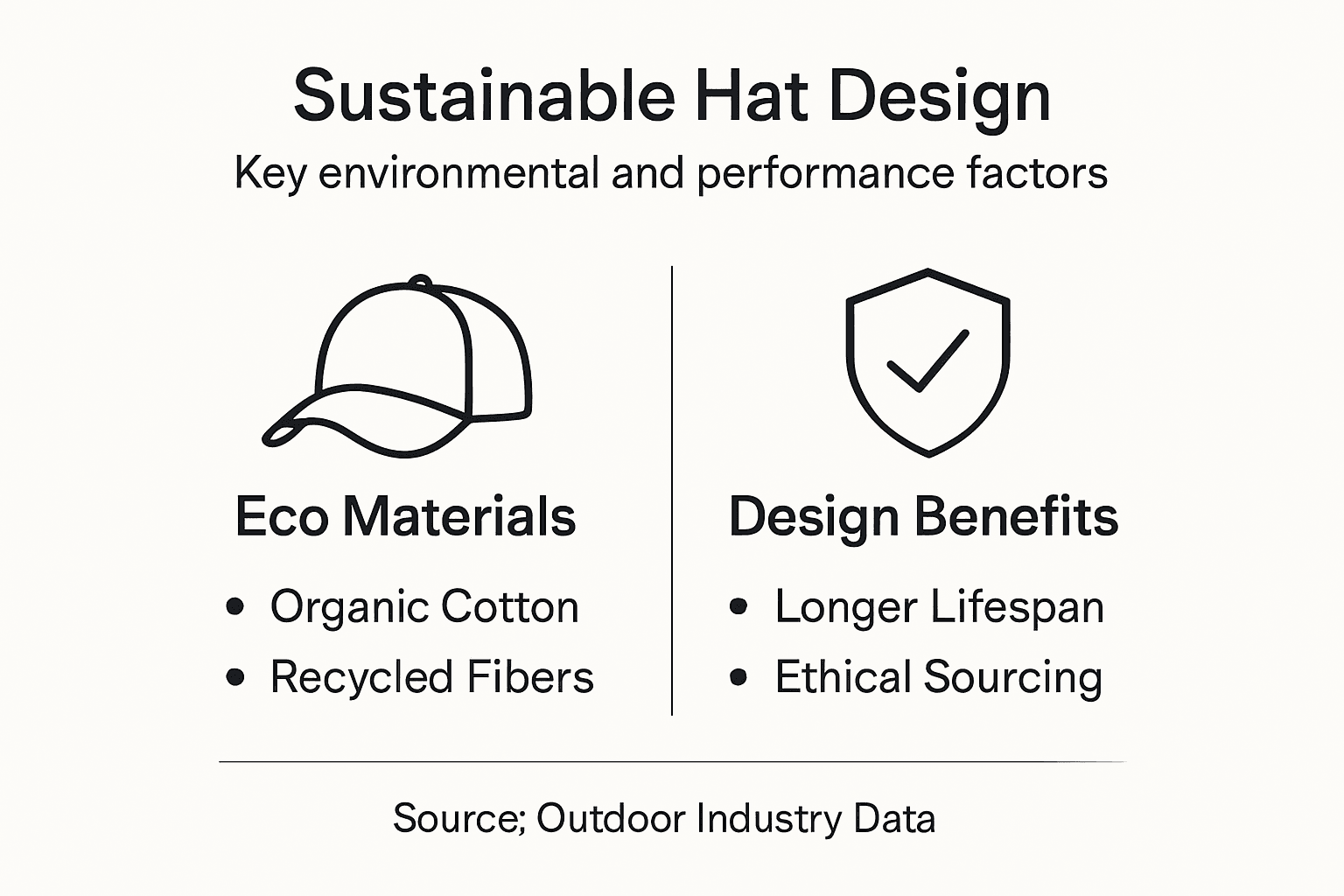
Authentic sustainability transcends marketing rhetoric, requiring holistic approaches that integrate ecological responsibility, ethical manufacturing, and genuine environmental stewardship. Consumers must critically examine certification claims, looking beyond surface-level green messaging to understand the genuine environmental and social impact of their outdoor gear purchases.
The following table helps buyers differentiate between authentic sustainability certifications and common greenwashing tactics:
| Certification Aspect | Genuine Sustainability | Greenwashing Examples |
|---|---|---|
| Audit Process | Independent third-party review | In-house or self-certification |
| Transparency | Detailed sourcing reports | Vague claims, limited disclosure |
| Impact Measurement | Quantified resource reduction | Unverified impact statements |
| Worker Welfare | Documented fair labor practices | No proof of ethical standards |
True sustainability is not a marketing strategy, but a comprehensive commitment to environmental and social responsibility.
Pro tip: Always research certification bodies, verify their credibility, and look for detailed, transparent reporting behind sustainability claims.
Making Conscious Choices as a Buyer
Sustainable hat purchasing requires more than good intentions—it demands strategic, informed decision-making. Sustainable consumer behavior reveals that mindful buyers can significantly impact environmental sustainability through deliberate product selection and understanding of lifecycle implications.
Key considerations when making conscious purchasing decisions include:
- Product Longevity: Prioritize hats designed for extended use and durability
- Material Transparency: Select products with clear, verifiable material sourcing
- Ethical Manufacturing: Support brands demonstrating genuine commitment to worker welfare
- Circular Design: Choose hats with potential for repair, recycling, or biodegradation
- Performance Metrics: Evaluate functional qualities alongside environmental credentials
Consumer engagement with sustainable textiles demonstrates that budget-conscious buyers can still make environmentally responsible choices. This requires developing critical evaluation skills, understanding product origins, and recognizing the broader environmental impact of purchasing decisions.
Making conscious choices extends beyond individual product selection. Buyers become change agents by supporting brands that demonstrate comprehensive sustainability commitments, challenging manufacturers to adopt more responsible production practices, and creating market demand for genuinely sustainable outdoor gear.
Conscious purchasing is not about perfect choices, but about making progressively better decisions that align with environmental and ethical principles.
Pro tip: Research brands thoroughly, ask detailed questions about their sustainability practices, and be willing to invest in quality items that offer long-term environmental benefits.
Elevate Your Outdoor Experience with Truly Sustainable Hats
The challenge of finding outdoor hats that combine sustainable design principles with high performance and durability is real for many enthusiasts. You want headwear crafted from eco-friendly materials like organic cotton or recycled polyester that also delivers moisture management, UV protection, and long-lasting usability. At Peak Threads, we understand that true sustainability means honoring the entire lifecycle of your gear—from production to extended wear without sacrificing function or style.
Discover hats designed with circularity, ethical manufacturing, and verified environmental certifications that meet your needs as an active, environmentally conscious adventurer. Whether you hike, run, or explore, our collection supports your values and performance goals.
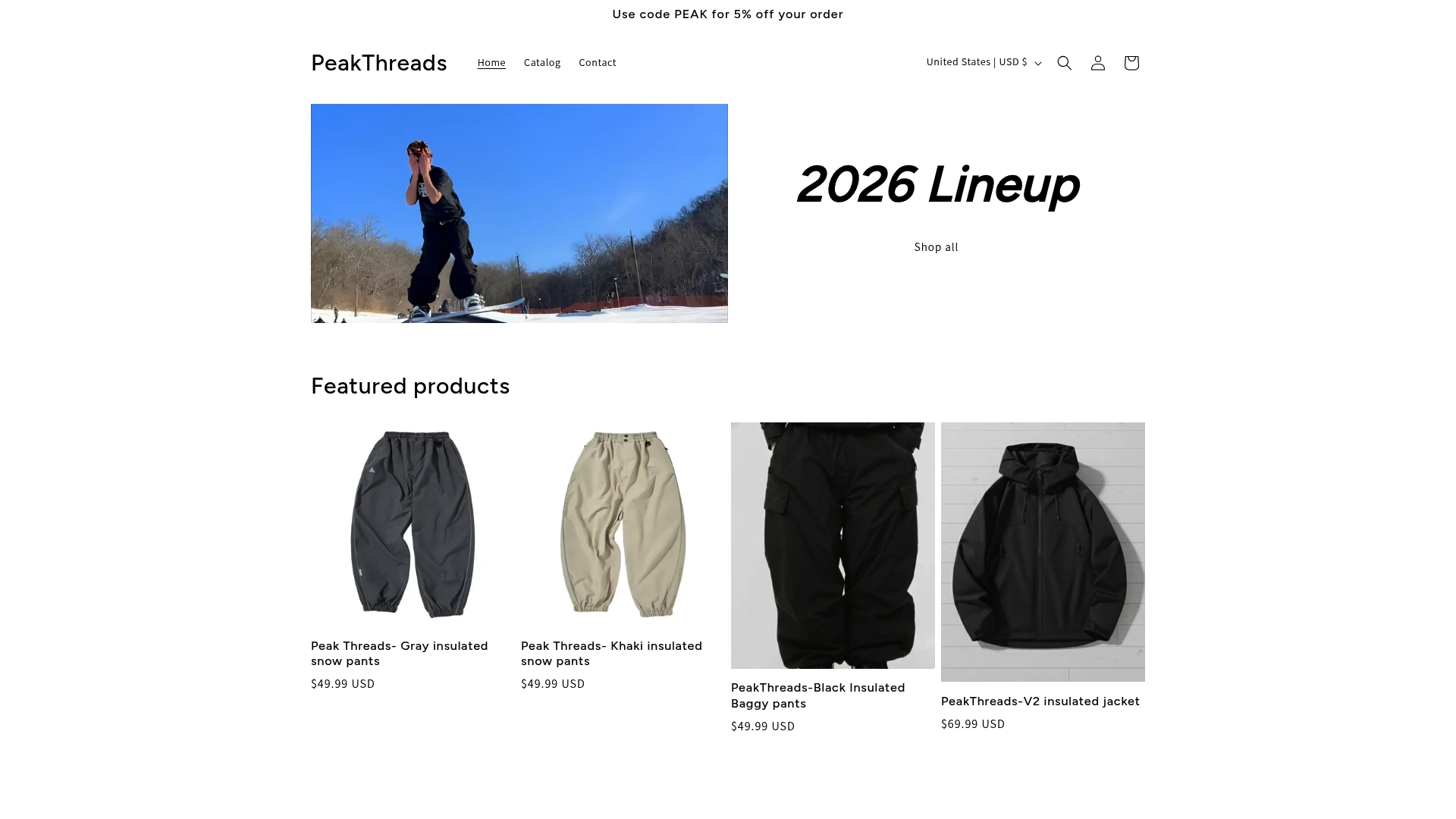
Shop now at Peak Threads to find high-quality, sustainable outdoor hats made to endure your journeys. Experience eco-friendly innovation and enjoy exclusive promotional offers today. Make a conscious choice that benefits both you and the planet by visiting Peak Threads. Your next adventure deserves gear that performs responsibly.
Frequently Asked Questions
What are the core principles of sustainable hat design?
The core principles of sustainable hat design include circular design, resource efficiency, a low carbon footprint, and ethical manufacturing practices. These principles focus on minimizing environmental impact while maximizing utility and longevity.
What materials are commonly used in eco-friendly hat manufacturing?
Common materials in eco-friendly hat manufacturing include recycled ocean plastics, organic cotton, hemp fibers, bamboo textiles, and recycled polyester. These materials offer environmental benefits while maintaining performance standards.
How can I identify authentic sustainability certifications in hat products?
To identify authentic sustainability certifications, look for third-party verification from recognized organizations, comprehensive transparency in material sourcing, measurable environmental impact data, documented fair labor practices, and continuous improvement metrics.
Why is durability important in sustainable outdoor hats?
Durability is crucial in sustainable outdoor hats because it ensures that products remain functional and aesthetically pleasing through repeated use, thereby reducing waste and resource consumption associated with frequent replacements.