

Packing for outdoor adventures often means choosing between comfort, performance, and staying true to your eco-friendly values. The right clothing decisions can make your experience hassle-free, while the wrong fabrics increase discomfort and environmental impact. If you want to travel lighter, stay comfortable in every climate, and protect the planet, your clothing choices matter more than you might think.
This list arms you with clear, actionable strategies for selecting and caring for sustainable apparel. You’ll discover how versatile layering, eco-friendly materials, and thoughtful gear choices can transform your adventures—from what you wear to how you pack. Get ready to learn the key principles that make outdoor travel easy, efficient, and environmentally sound.
Table of Contents
- 1. Choose Moisture-Wicking Fabrics For Breathability
- 2. Opt For Versatile Layering Pieces
- 3. Select Durable And Lightweight Materials
- 4. Look For Eco-Friendly Apparel Certifications
- 5. Prioritize Packability For Travel Efficiency
- 6. Minimize Bulk With Multi-Functional Gear
- 7. Care And Wash Techniques To Extend Lifespan
Quick Summary
| Takeaway | Explanation |
|---|---|
| 1. Choose moisture-wicking fabrics for comfort | These materials keep sweat away from your skin, enhancing breathability and reducing discomfort during physical activities. |
| 2. Opt for versatile layering pieces | Layering allows adaptability to changing weather while minimizing luggage weight, supporting sustainable travel practices. |
| 3. Select durable and lightweight materials | Lightweight materials, such as hemp and organic cotton, last longer and contribute to reduced waste in the outdoor industry. |
| 4. Look for eco-friendly apparel certifications | Certifications like GOTS ensure the sustainability and ethical production of clothing, helping you make informed purchases. |
| 5. Prioritize packability for efficient travel | Select compact and multi-functional items that reduce waste, optimize space, and support environmentally friendly travel habits. |
1. Choose Moisture-Wicking Fabrics for Breathability
When exploring outdoor adventures, your clothing’s performance can make or break the entire experience. Moisture-wicking fabrics are your first line of defense against discomfort and potential temperature regulation challenges during active pursuits.
Sustainable moisture-wicking materials offer more than just performance - they represent a conscious choice for environmentally responsible adventurers. By understanding how these fabrics work, you can select apparel that keeps you dry while minimizing ecological impact.
Why Moisture-Wicking Matters:
- Pulls sweat away from skin rapidly
- Prevents chafing and skin irritation
- Reduces risk of bacterial growth
- Supports body temperature regulation
Choosing eco-friendly moisture-wicking fabrics means protecting both your comfort and the planet.
Natural fibers like organic cotton and hemp provide exceptional breathability with minimal environmental footprint. These materials allow airflow while efficiently managing moisture during intense activities. Organic cotton eliminates harmful pesticides, and hemp requires minimal water resources for cultivation.
Advanced sustainable options such as recycled polyester and Tencel Lyocell offer additional benefits. These innovative textiles balance moisture management with ecological responsibility, creating fabrics that perform exceptionally while supporting environmental conservation.
Pro tip: When shopping for moisture-wicking apparel, look for certifications like OEKO-TEX or GOTS to ensure genuine sustainability and ethical production standards.
2. Opt for Versatile Layering Pieces
Packing smart means selecting clothing that adapts to changing environments while minimizing your overall luggage weight. Versatile layering pieces are the ultimate solution for eco-conscious adventurers who want maximum flexibility with minimal environmental impact.
Layering clothing efficiently allows you to create multiple outfits and adapt to unpredictable weather conditions without overpacking. The key is selecting strategic pieces that work together seamlessly.
Layering Strategy Components:
- Base layers for moisture management
- Mid layers for temperature regulation
- Outer layers for wind and water protection
- Pieces that mix and match easily
Versatile clothing reduces waste and supports sustainable travel practices.
Choose lightweight materials like organic cotton, merino wool, and hemp that provide excellent temperature adaptation. These natural fibers offer breathability while maintaining durability across different climates and activity levels.
Natural fabrics such as bamboo and linen provide exceptional versatility. They can be dressed up or down easily and require minimal care while maintaining a low environmental footprint. By selecting pieces that transition between casual and performance settings you maximize each garment’s utility.
Pro tip: Aim for neutral colors and classic cuts that can be combined in multiple ways to create diverse outfits with fewer total items.
3. Select Durable and Lightweight Materials
Sustainable outdoor adventurers know that choosing the right materials can dramatically reduce environmental impact while ensuring long lasting performance. Your clothing choices are not just about comfort they are a direct investment in planetary health.
Eco-friendly materials represent a powerful strategy for reducing waste and supporting ethical manufacturing practices. Understanding the characteristics of sustainable fabrics helps you make smarter purchasing decisions.
Ideal Sustainable Materials Include:
- Hemp for exceptional durability
- Organic cotton with minimal environmental footprint
- Bamboo offering natural breathability
- Tencel Lyocell with low water consumption
- Recycled synthetic fabrics
Lightweight materials that last longer create less waste and support sustainable adventure.
Natural fibers like hemp and organic cotton stand out for their incredible durability and minimal environmental impact. Hemp requires significantly less water and chemicals compared to conventional textile production while providing remarkable strength and longevity.
Recycled fabrics offer another excellent option for eco conscious travelers. By transforming existing materials into high performance clothing you directly contribute to reducing virgin resource consumption and minimizing textile waste.
Pro tip: Inspect clothing materials for certifications like Global Organic Textile Standard (GOTS) to ensure genuine sustainability and ethical production practices.
4. Look for Eco-Friendly Apparel Certifications
Not all sustainability claims are created equal. Understanding eco-friendly apparel certifications empowers you to make informed purchasing decisions that align with your environmental values.
Eco-friendly textile certifications provide critical transparency about a garment’s environmental and social impact. These labels help consumers cut through greenwashing and support genuinely responsible manufacturing practices.
Key Certification Categories:
- Chemical safety standards
- Organic fiber verification
- Labor and worker protection
- Environmental production criteria
- Supply chain accountability
A certification label is your passport to verifying sustainable fashion claims.
The Global Organic Textile Standard (GOTS) stands out as a comprehensive certification. It requires a minimum of 95% organic fibers and covers ecological and social criteria throughout the entire production process. Annual independent audits ensure brands maintain rigorous environmental and ethical standards.
Other important certifications like OEKO-TEX focus on chemical safety while Fair Trade labels address worker welfare. By understanding these different certification types you can make more intentional clothing purchases that support both planetary and human well being.
Pro tip: Download certification guide apps or bookmark reference websites to quickly verify and understand different sustainability labels while shopping.
5. Prioritize Packability for Travel Efficiency
Sustainable travel begins with smart packing strategies that minimize environmental impact while maximizing convenience. Your gear choices can significantly reduce waste and carbon footprint during adventures.
Eco-friendly travel products represent a powerful approach to responsible exploration. Packability is not just about saving space it is about making intentional choices that support planetary health.
Packability Essentials:
- Compact reusable water bottles
- Collapsible travel containers
- Multipurpose clothing items
- Solid toiletries
- Lightweight technical fabrics
Efficient packing means doing more with less while respecting environmental boundaries.
Sustainable Packability Strategies focus on selecting items that serve multiple purposes. Bamboo toothbrushes replace disposable plastics while compact solid toiletries eliminate bulky liquid containers. By choosing gear that is both lightweight and multifunctional you reduce waste and simplify your travel experience.
Natural materials like merino wool and hemp excel in packability. These fabrics offer incredible versatility allowing you to create multiple outfits from just a few key pieces while maintaining durability and minimal environmental impact.
Pro tip: Roll your clothing instead of folding to maximize luggage space and minimize wrinkles while reducing the overall volume of your packed items.
6. Minimize Bulk with Multi-Functional Gear
Every ounce matters when adventuring responsibly. Multi-functional gear represents a strategic approach to reducing waste while maximizing performance and minimizing environmental impact.
Multi-functional outdoor tools transform how conscious travelers approach equipment selection. By combining multiple functions into single lightweight items you dramatically reduce material consumption and luggage weight.
Multi-Functional Gear Advantages:
- Reduces overall equipment weight
- Minimizes material waste
- Simplifies packing process
- Supports sustainable manufacturing
- Increases gear versatility
Smart gear choices mean doing more with less while respecting planetary resources.
Sustainable Design Principles drive multi-functional gear development. Innovative manufacturers now create jackets that serve as rain protection wind barriers and temperature regulators. Cooking sets integrate multiple utensils and preparation tools into compact designs that eliminate single-purpose equipment.
Recycled metals and biodegradable composites further enhance these products environmental credentials. By selecting gear engineered for multiple uses you directly support a circular economy approach that prioritizes resource efficiency.
Pro tip: Evaluate new gear purchases by counting how many distinct functions each item can serve and aim to replace three single-use items with one versatile tool.
7. Care and Wash Techniques to Extend Lifespan
Your clothing’s longevity is directly tied to how you care for it. Thoughtful maintenance transforms sustainable apparel from a purchase into a long term investment in both personal style and environmental responsibility.
Proper fabric care techniques can dramatically extend the life of your outdoor gear while minimizing environmental impact. Understanding the nuanced needs of different sustainable fabrics is key to preserving their performance and appearance.
Sustainable Fabric Care Principles:
- Wash in cold water
- Use gentle cycles
- Choose plant-based detergents
- Air dry when possible
- Minimize wash frequency
Gentle care preserves fabric integrity and reduces overall environmental footprint.
Specialized Care Strategies differ across fabric types. Organic cotton benefits from mild detergents while bamboo responds well to vinegar as a natural softener. Hemp thrives when ironed while slightly damp and Tencel requires minimal heat exposure.
Spot cleaning represents a powerful technique for reducing overall wash cycles. By addressing individual stains strategically you can significantly decrease water consumption and fabric wear. This approach not only extends garment life but also supports broader sustainability goals.
Pro tip: Create a dedicated mesh bag for delicate sustainable fabrics to protect them during machine washing and prevent unnecessary fiber stress.
Below is a comprehensive table summarizing strategies and considerations for selecting sustainable outdoor apparel and gear as discussed in the article.
| Aspect | Recommendations | Benefits |
|---|---|---|
| Moisture-Wicking Fabrics | Choose materials like organic cotton, hemp, recycled polyester, and Tencel Lyocell. Ensure fabrics are certified as sustainable. | Promotes sweat management, prevents discomfort, and supports ecological responsibility. |
| Versatile Layering | Select adaptable clothing like base, mid, and outer layers. Opt for neutral colors. | Allows efficient packing, adapts to weather, and minimizes wardrobe needs. |
| Durable Materials | Utilize hemp, organic cotton, and similar resilient fibers. Emphasize lightweight considerations. | Extends apparel lifespan and minimizes material waste. |
| Apparel Certifications | Look for standards like GOTS and OEKO-TEX for reliable, sustainable claims. Bookmark certification guides. | Ensures ethical manufacturing and truthful environmental impact assertions. |
| Packability | Favor compact, multifunctional items like solid toiletries and bamboo fabrics. | Reduces luggage bulk and simplifies travel. |
| Gear Functionality | Invest in multi-purpose tools, such as jackets serving multiple roles. | Enhances efficiency and resource conservation. |
| Care Techniques | Wash cold, air dry, and use gentle detergents. Spot clean rather than frequent washes. | Prolongs fabric integrity and reduces environmental footprint. |
This table summarizes the key approaches for selecting and maintaining sustainable travel and adventure apparel and gear, emphasizing both performance and environmental impact mitigation.
Elevate Your Eco-Conscious Adventure Wardrobe Today
Finding lightweight apparel that balances durability, breathability, and sustainability can be a real challenge for outdoor enthusiasts who care deeply about minimizing their environmental impact. This article highlights key points like choosing moisture-wicking fabrics, prioritizing versatile layering pieces, and selecting multi-functional gear—all essential strategies for eco-conscious adventurers striving for comfort and performance without compromising the planet.
Discover how Peak Threads meets these critical needs with our carefully curated offerings. From technical shirts to weather-ready outerwear crafted with sustainable materials, our The 2025 Collection-Peakthreads features pieces designed to move with you on every trail while respecting the environment.
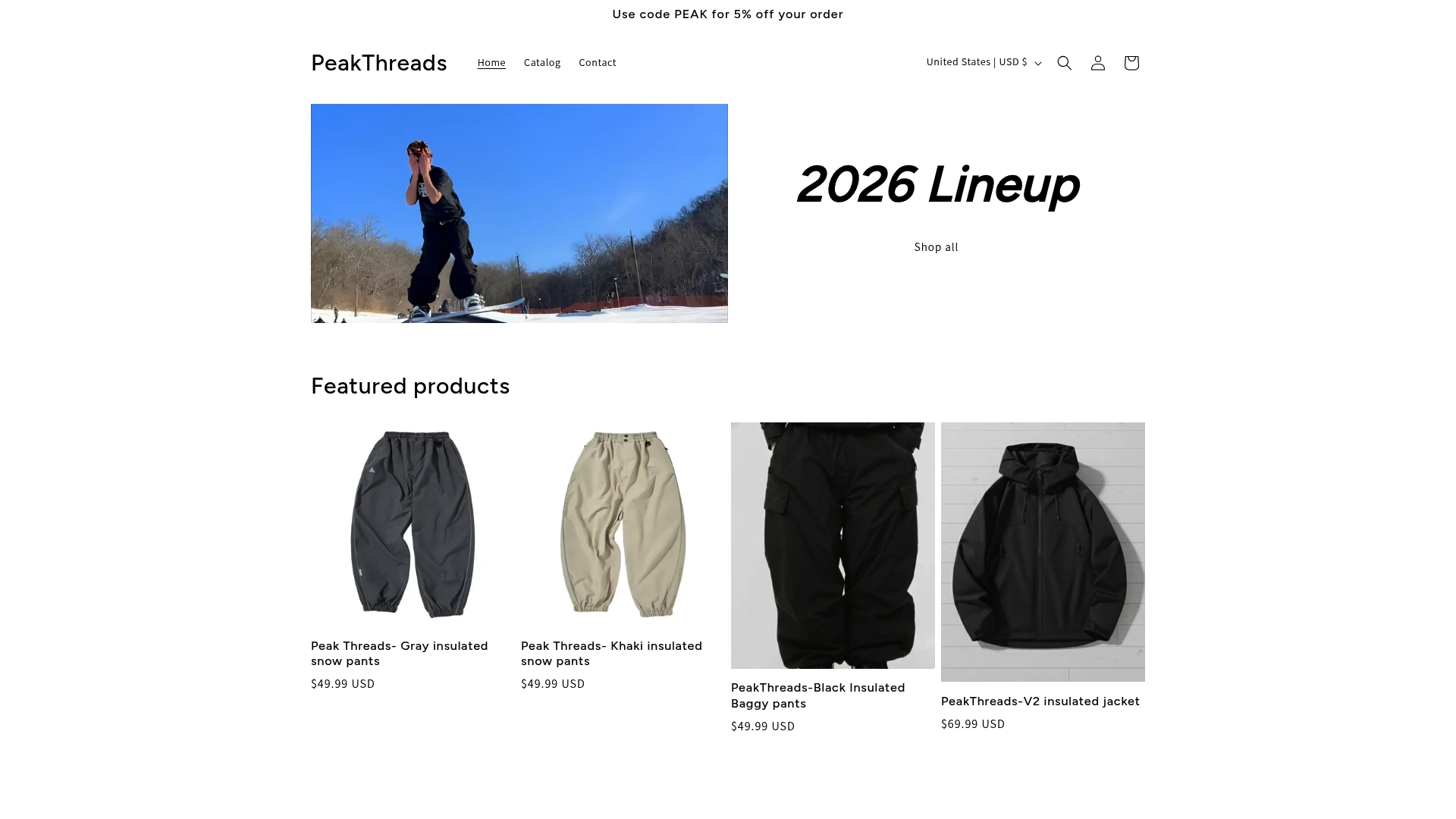
Ready to transform your outdoor gear? Visit Peak Threads today to explore our full range of durable, stylish, and eco-friendly apparel. Take advantage of our special offers to upgrade your wardrobe with confidence. Start your journey toward smarter, greener adventures now.
Frequently Asked Questions
How do moisture-wicking fabrics help with comfort during outdoor adventures?
Moisture-wicking fabrics pull sweat away from your skin, keeping you dry and comfortable. To ensure a more enjoyable experience, look for clothing made from materials like organic cotton and recycled polyester that support breathability while being eco-friendly.
What should I consider when selecting versatile layering pieces for travel?
When choosing layering pieces, focus on materials that can work together to adapt to changing weather. Opt for lightweight items that mix and match easily, allowing you to create multiple outfits with just a few key pieces.
Which sustainable materials are best for lightweight outdoor apparel?
Ideal sustainable materials include hemp and organic cotton due to their durability and low environmental impact. Always prioritize lightweight options that can withstand wear and tear while minimizing waste.
How do eco-friendly apparel certifications ensure sustainability in clothing?
Eco-friendly apparel certifications verify that clothing meets specific environmental and social standards. Look for labels like the Global Organic Textile Standard (GOTS) to confirm that your apparel supports ethical production practices.
What are some tips for packing efficiently while maintaining eco-consciousness?
To pack efficiently, choose multi-functional gear that reduces waste and incorporates lightweight travel items. For example, use compact reusable containers and roll your clothing to maximize space while minimizing wrinkles and bulk.
How can I care for my sustainable apparel to extend its lifespan?
Care for your sustainable clothing by washing in cold water and air drying when possible. Implementing gentle care can significantly extend the life of your garments, potentially reducing the need for replacements by up to 50%.