

Every hiking trip or long-distance run begins with tough decisions about what you wear in changing environments. For those who value both performance and the planet, choosing the right gear goes beyond comfort alone and taps into values of sustainability and transparency. This guide offers practical steps to help you assess your performance apparel needs while supporting brands and materials that reflect your eco-conscious goals.
Table of Contents
- Step 1: Assess Your Performance Apparel Needs
- Step 2: Identify Sustainable Materials and Certifications
- Step 3: Evaluate Brand Environmental Practices
- Step 4: Inspect Product Packaging and Shipping Options
- Step 5: Verify Eco-Friendly Claims Before Purchase
Quick Summary
| Key Point | Explanation |
|---|---|
| 1. Assess Your Clothing Needs | Evaluate climate, activity intensity, movement, and duration to select appropriate outdoor apparel. |
| 2. Choose Sustainable Materials | Opt for materials like Organic Cotton and Recycled Polyester that minimize ecological impact while ensuring performance. |
| 3. Investigate Brand Practices | Research brands’ environmental practices to ensure your purchases align with genuine sustainability efforts. |
| 4. Check Packaging and Shipping | Evaluate the sustainability of packaging materials and shipping options to reduce overall environmental footprint. |
| 5. Verify Eco-Friendly Claims | Use third-party certification and transparent reporting to distinguish between genuine sustainability and marketing claims. |
Step 1: Assess Your Performance Apparel Needs
Outdoor adventures demand strategic clothing choices that match your specific activity and environmental conditions. Understanding your performance apparel requirements ensures you’re equipped with gear that enhances comfort, mobility, and protection during your outdoor experiences.
To effectively assess your performance apparel needs, start by examining the unique requirements of outdoor activities through a systematic approach. This involves evaluating several critical factors that influence your clothing selection:
- Climate and Temperature Range: Consider the specific weather conditions you’ll encounter
- Activity Intensity: Assess the level of physical exertion expected
- Movement Requirements: Analyze the range of motion needed for your specific outdoor pursuit
- Duration of Activity: Determine the length of time you’ll be outdoors
Your apparel assessment should also account for regional variations and personal comfort preferences. Some athletes might prioritize lightweight breathability for trail running, while others need robust insulation for mountain climbing. Performance needs vary significantly based on individual expectations, making a personalized approach crucial.
Understanding your specific performance requirements is the foundation of selecting the right outdoor apparel.
Pro tip: Keep a detailed log of your past outdoor experiences to identify consistent comfort and performance challenges in your current gear.
Step 2: Identify Sustainable Materials and Certifications
Choosing sustainable outdoor apparel means understanding the complex landscape of eco-friendly materials and their environmental impact. Your goal is to select clothing that minimizes ecological footprint while maintaining high performance standards for outdoor activities.
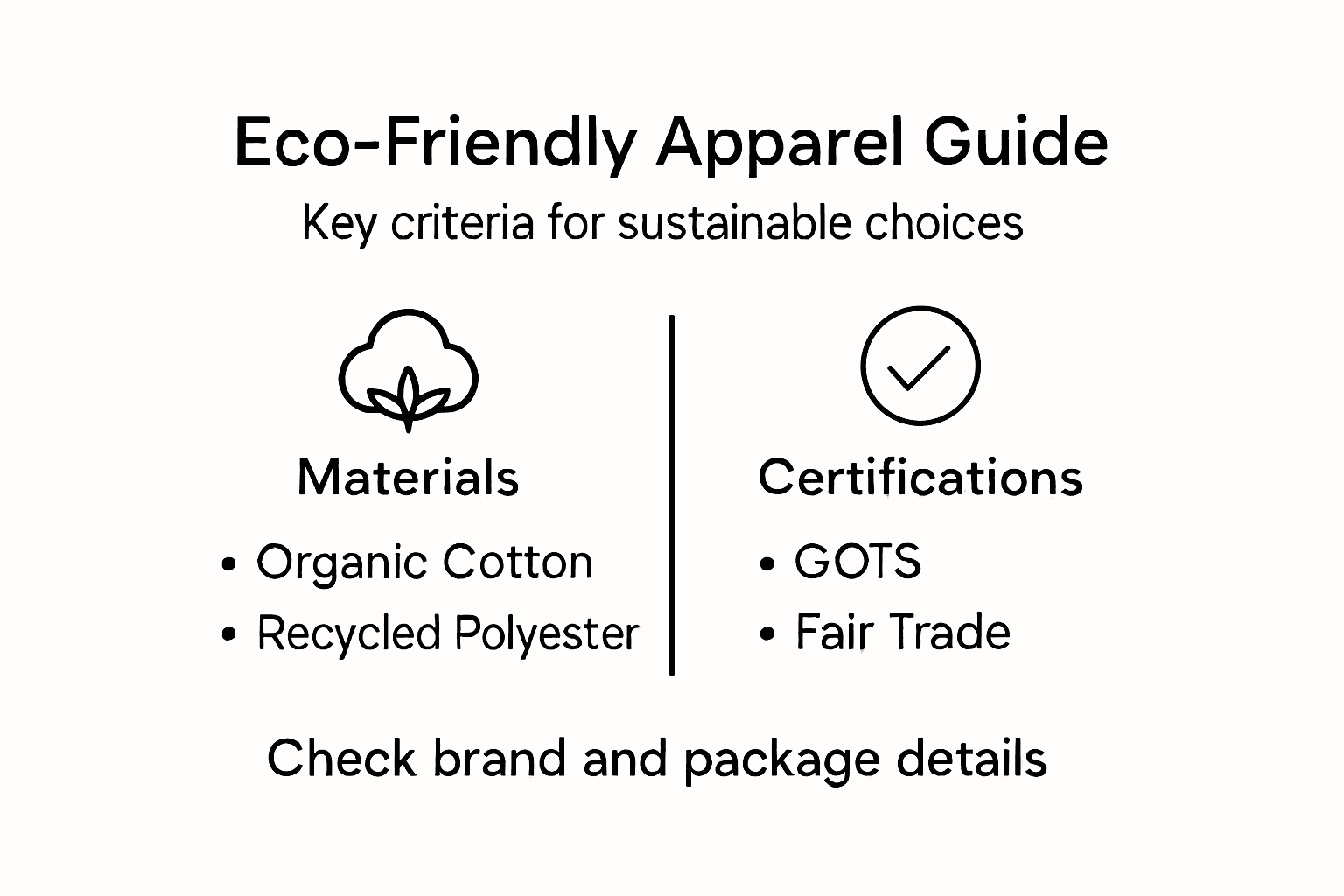
Start by exploring comprehensive sustainable material frameworks that help evaluate textile sustainability. Key certifications and materials to consider include:
- Organic Cotton: Grown without harmful pesticides
- Recycled Polyester: Reduces plastic waste and energy consumption
- Hemp: Requires minimal water and grows without chemical inputs
- Tencel/Lyocell: Produced through environmentally responsible processes
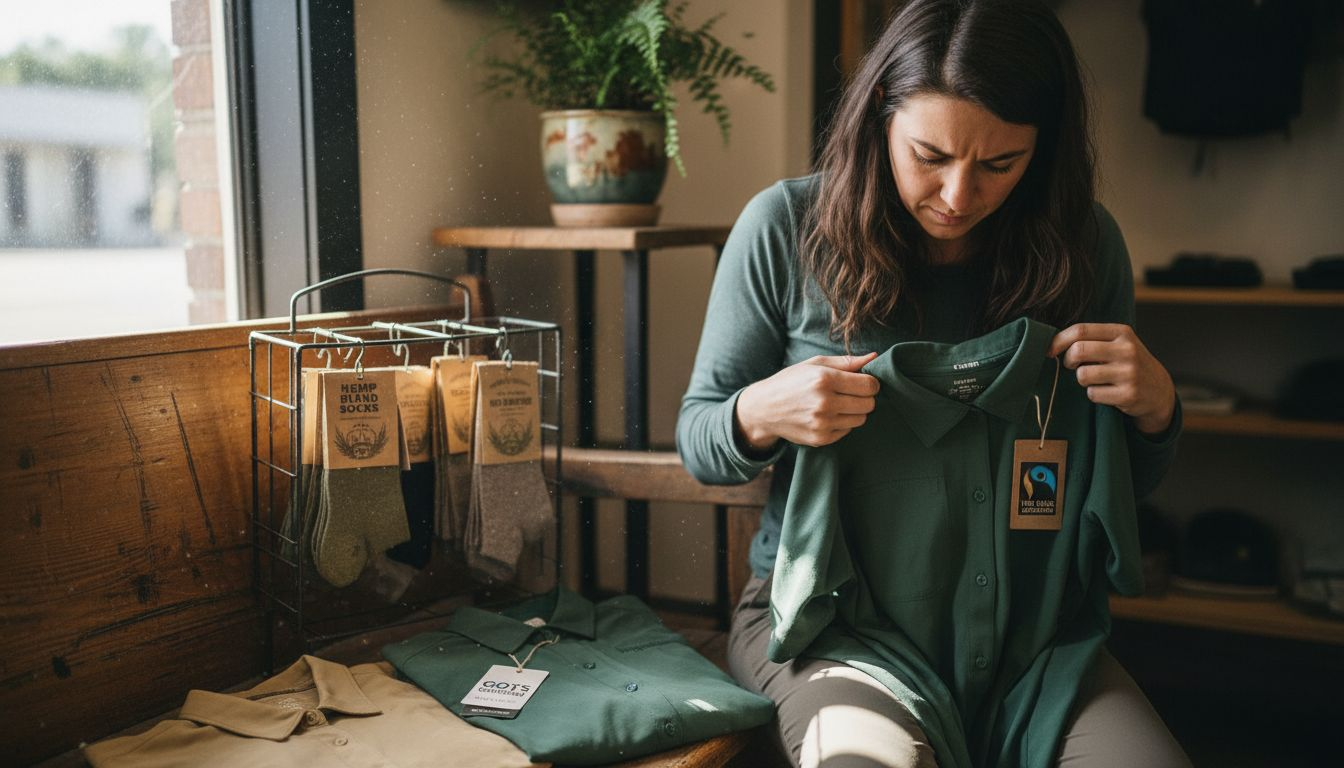
Look for credible certifications that validate sustainable production. Global textile standards provide critical environmental assurances about manufacturing practices and material sourcing. These certifications, like Global Organic Textile Standard (GOTS), ensure that your clothing meets rigorous environmental and social responsibility criteria.
Here’s a quick comparison of popular sustainable apparel materials and their advantages:
| Material | Environmental Benefit | Typical Use |
|---|---|---|
| Organic Cotton | Low pesticide and water usage | Lightweight shirts, underwear |
| Recycled Polyester | Diverts plastic waste, energy saving | Jackets, activewear |
| Hemp | Minimal water, grows fast | Durable pants, hats |
| Tencel/Lyocell | Closed-loop production process | Breathable base layers |
Sustainable materials are not just about the fabric, but the entire production ecosystem.
Pro tip: Research clothing brands that transparently share their material sourcing and certification details to make informed purchasing decisions.
Step 3: Evaluate Brand Environmental Practices
Ultimately, your outdoor apparel choice reflects more than personal style - it represents a commitment to environmental responsibility. By carefully assessing brands’ sustainability practices, you can make informed decisions that support genuine ecological stewardship.
Start by investigating corporate social responsibility strategies that demonstrate meaningful environmental commitment. Key evaluation criteria include:
- Transparency: Public reporting of environmental impact
- Carbon Footprint: Documented reduction strategies
- Supply Chain Ethics: Fair labor and sustainable sourcing practices
- Circular Design: Commitment to recyclable or biodegradable materials
Look beyond marketing claims by consulting comprehensive industry sustainability reports that provide independent assessments of brand performance. These resources offer deep insights into companies’ actual environmental practices, helping you distinguish genuine sustainability efforts from greenwashing.
Use this summary to evaluate brands for sustainability:
| Evaluation Area | Why It Matters | Example Sign to Look For |
|---|---|---|
| Transparency | Shows commitment to reporting | Public sustainability reports |
| Carbon Footprint | Indicates climate action progress | Published reduction targets |
| Supply Chain Ethics | Ensures fair, responsible sourcing | Ethical labor certifications |
| Circular Design | Supports long-term reuse or recycling | Take-back or recycling programs |
True environmental responsibility goes beyond individual product choices to systemic industry transformation.
Pro tip: Follow sustainability-focused outdoor gear blogs and forums to stay updated on brands making authentic environmental progress.
Step 4: Inspect Product Packaging and Shipping Options
Reducing environmental impact starts with understanding how your outdoor apparel arrives at your doorstep. Every shipping choice and packaging detail represents an opportunity to minimize waste and support sustainable practices in the global supply chain.
Examine packaging standards that support environmental optimization by focusing on key sustainability indicators. Critical aspects to evaluate include:
- Packaging Material: Recyclable or biodegradable content
- Shipping Efficiency: Compact packaging that reduces transportation emissions
- Minimal Plastic Use: Avoiding unnecessary plastic wrapping
- Reusable Packaging: Options for repeated use or easy recycling
Look beyond surface-level claims by consulting comprehensive sustainable packaging guidelines that provide deeper insights into environmental impact. These resources help you understand how brands are genuinely working to reduce waste and optimize shipping processes.
Smart packaging choices can significantly reduce your environmental footprint with each purchase.
Pro tip: Request minimal packaging during checkout and consider consolidating your outdoor gear purchases to reduce overall shipping emissions.
Step 5: Verify Eco-Friendly Claims Before Purchase
Navigating the complex world of sustainable outdoor apparel requires a critical eye and investigative approach. Your purchasing power becomes a powerful tool for environmental change when you learn to distinguish genuine sustainability from marketing hype.
Start by understanding legal guidelines for environmental marketing claims that protect consumers from misleading information. Key verification strategies include:
- Certification Labels: Look for third-party verified eco-credentials
- Transparent Reporting: Seek brands with detailed sustainability documentation
- Material Traceability: Investigate the origin and processing of fabric materials
- Carbon Footprint Disclosure: Check for documented environmental impact measurements
Delve deeper by consulting comprehensive ecolabel and environmental standards that provide independent verification of sustainability claims. These resources empower you to make informed decisions that align with genuine environmental stewardship.
Not all green claims are created equal - your skepticism is your strongest sustainability tool.
Pro tip: Use smartphone apps that scan product barcodes to instantly verify environmental certifications and track a brand’s actual sustainability performance.
Choose Performance and Sustainability with Confidence
Finding the perfect eco-friendly outdoor apparel can feel overwhelming when you want gear that balances performance, comfort, and environmental responsibility. This article showed you how to assess your needs from climate and movement to verifying eco-friendly claims and sustainable brand practices. Now you can take the next step by exploring high-quality, environmentally conscious options that solve common challenges like unreliable sustainability certifications or lack of product transparency.
At Peak Threads, we specialize in durable, performance-oriented outdoor apparel designed for athletes and adventure seekers who demand more than just style. Our commitment to sustainable materials and responsible production means you can trust your gear for comfort and protection while supporting a cleaner planet.
Discover our collection of technical shirts, hats, and versatile outdoor clothing that aligns with your values and activity demands today.
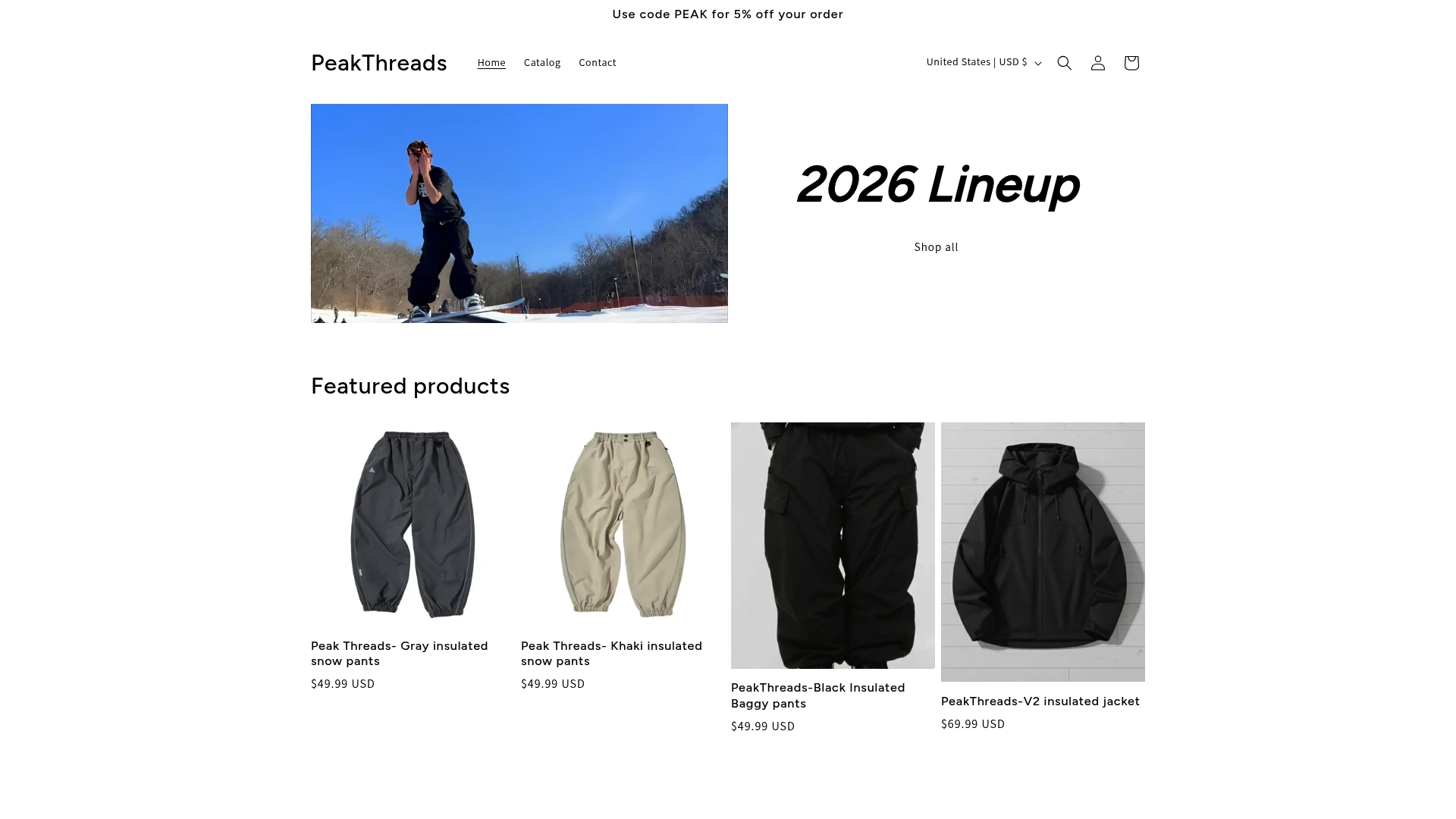
Elevate your outdoor experience by choosing apparel that follows the highest environmental standards and fits your active lifestyle. Visit Peak Threads to shop now and take advantage of exclusive promotional offers that make eco-friendly choices easier and more affordable. Your next adventure starts with gear designed to perform and protect the planet.
Frequently Asked Questions
How can I assess my performance apparel needs for outdoor activities?
Start by evaluating the climate and temperature range for your activity, as well as the level of physical exertion and the duration of your outdoor experience. Make a checklist based on these factors to ensure your gear is suited to your specific needs during your adventures.
What sustainable materials should I look for in eco-friendly outdoor apparel?
Focus on materials like Organic Cotton, Recycled Polyester, Hemp, and Tencel/Lyocell, which have lower environmental impacts. Prioritize items that feature these materials in their makeup, as they contribute to reducing waste and conserving resources.
How can I evaluate a brand’s environmental practices when choosing apparel?
Research brands by checking their transparency regarding environmental practices, such as their carbon footprint and supply chain ethics. Create a list of brands that openly report their sustainability efforts and regularly review these updates for informed decision-making.
What packaging features indicate that an outdoor apparel brand is eco-friendly?
Look for packaging that is recyclable, biodegradable, and minimizes plastic use. Request minimal packaging at checkout to further reduce waste, and consider brands that use reusable packaging or compact shipping methods to limit emissions.
How do I verify eco-friendly claims before purchasing outdoor apparel?
Examine products for certification labels and transparent sustainability reports from the brand. Take the time to ensure that materials are traceable and that brands disclose their carbon footprint, helping you make informed and impactful purchases.